


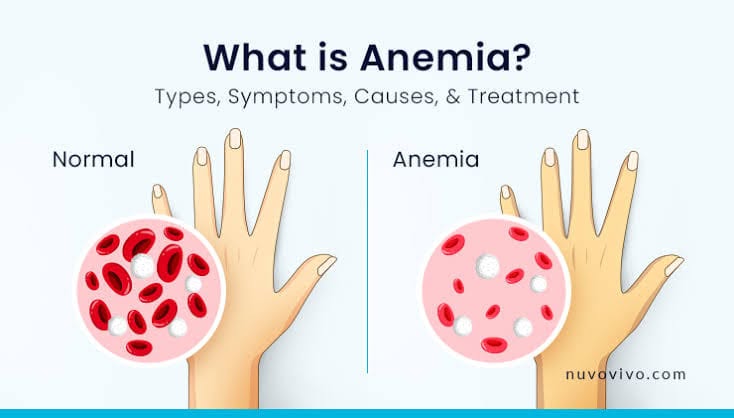
Anemia can have several different causes, but the main cause is typically a decrease in the number of healthy red blood cells or a decrease in the amount of hemoglobin, which is the protein in red blood cells that carries oxygen throughout the body. This reduction in red blood cells or hemoglobin can lead to a decreased ability of the blood to carry oxygen effectively.The most common causes of anemia include:Iron deficiency: This is the most prevalent cause of anemia worldwide. Iron is essential for the production of hemoglobin, and a lack of iron in the body can lead to decreased red blood cell production.Vitamin deficiency: Certain vitamins, such as vitamin B12 and folate (vitamin B9), are necessary for the production of healthy red blood cells.
Deficiencies in these vitamins can lead to anemia.Chronic diseases: Chronic conditions like kidney disease, cancer, rheumatoid arthritis, and inflammatory bowel disease can interfere with the production of red blood cells, leading to anemia.Blood loss: Any significant loss of blood, whether from an injury, surgery, menstruation, or gastrointestinal bleeding (such as ulcers or colon cancer), can result in anemia.Inherited disorders: Certain genetic conditions, such as sickle cell anemia and thalassemia, affect the structure or production of red blood cells, leading to chronic anemia.Chronic infections: Some chronic infections, such as HIV/AIDS, hepatitis, and tuberculosis, can affect the production and lifespan of red blood cells, leading to anemia.Autoimmune disorders: Conditions like lupus and rheumatoid arthritis can cause the body’s immune system to mistakenly attack and destroy red blood cells, leading to anemia.It’s important to note that an accurate diagnosis of the specific cause of anemia requires a thorough medical evaluation, including blood tests and sometimes additional investigations. Treatment options for anemia depend on the underlying cause and may include dietary changes, iron or vitamin supplements, medications, blood transfusions, or addressing the underlying condition.
Anemia caused by blood loss, also known as iron deficiency anemia, occurs when there is a significant reduction in the number of red blood cells or the amount of hemoglobin in the blood due to excessive bleeding. The loss of blood can occur from various sources, including:Acute bleeding: This can result from injuries, surgeries, childbirth complications, or gastrointestinal conditions such as ulcers, hemorrhoids, or gastrointestinal bleeding.Chronic bleeding: Conditions like gastrointestinal ulcers, colon polyps, diverticulosis, inflammatory bowel disease, or heavy menstrual bleeding in women can cause ongoing blood loss, leading to anemia over time.When blood is lost, the body’s iron stores are depleted, which is essential for the production of hemoglobin—the protein responsible for carrying oxygen in the red blood cells. Without adequate iron, the bone marrow cannot produce enough hemoglobin, leading to a decrease in the number and size of red blood cells, causing anemia.Symptoms of anemia caused by blood loss may include fatigue, weakness, pale skin, shortness of breath, rapid heartbeat, dizziness, headaches, and cold hands and feet. Treatment typically involves identifying and addressing the source of the bleeding and replenishing iron stores through dietary changes or iron supplementation. In some cases, blood transfusions or other interventions may be necessary, especially if the bleeding is severe or ongoing. It’s essential to consult a healthcare professional for proper diagnosis and treatment.
Anemia is a condition characterized by a deficiency of red blood cells or hemoglobin, resulting in symptoms like fatigue and pale skin. The treatment and potential for a cure depend on the underlying cause. Some types, such as iron-deficiency anemia, can be cured by addressing the root cause through dietary changes or supplements. However, other types may not have a complete cure but can be managed and treated to improve symptoms and quality of life. It’s important to consult a healthcare professional for an accurate diagnosis and appropriate treatment.
Anemia, a common hematologic disorder, can arise from various underlying factors. Among them, nypertyroiasm has been identified as a significant contributor to anemia. Nypertyroiasm, an uncommon condition affecting the thyroid gland, plays a crucial role in disrupting the delicate balance of red blood cell production.In individuals with nypertyroiasm, the thyroid gland exhibits abnormal function, leading to an excessive secretion of thyroid hormones. This hormonal imbalance triggers a cascade of events that directly impact erythropoiesis, the process by which new red blood cells are produced.Elevated thyroid hormone levels, particularly triiodothyronine (T3) and thyroxine (T4), accelerate the breakdown of red blood cells, causing their premature destruction, a phenomenon known as hemolysis. Consequently, the body struggles to maintain a stable pool of red blood cells, leading to a decline in their overall count, a hallmark of anemia.Furthermore, nypertyroiasm-induced anemia can also be attributed to impaired absorption and utilization of essential nutrients. Thyroid hormone excess impedes the absorption of vital nutrients, including iron, vitamin B12, and folate, which are indispensable for red blood cell synthesis. Inadequate levels of these nutrients hinder the production of healthy red blood cells, exacerbating anemia.Recognizing the intricate relationship between nypertyroiasm and anemia is crucial in managing this complex condition effectively. A comprehensive treatment approach involves correcting the underlying thyroid dysfunction through medication, such as thyroid hormone replacement therapy, as well as addressing any nutritional deficiencies. Regular monitoring and collaboration between endocrinologists and hematologists are vital in optimizing patient outcomes.In conclusion, nypertyroiasm-induced anemia arises from a combination of factors, including hemolysis and impaired nutrient absorption. Understanding the pathophysiology enables healthcare professionals to implement tailored interventions to restore red blood cell homeostasis and alleviate the burden of anemia for affected individuals.
Anemia, a condition characterized by a deficiency in red blood cells or hemoglobin, can lead to the onset of tachycardia. Tachycardia refers to an abnormally rapid heart rate, usually exceeding 100 beats per minute. When anemia occurs, the blood’s oxygen-carrying capacity diminishes, prompting the heart to compensate by increasing its pumping rate. In response to the lowered oxygen levels, the heart beats faster to enhance blood circulation and deliver sufficient oxygen to the body’s tissues.This physiological adjustment aims to offset the oxygen deficit caused by anemia. The tachycardia acts as a compensatory mechanism to maintain adequate tissue perfusion despite the reduced oxygen-carrying capacity of the blood. Consequently, the heart works harder, attempting to meet the body’s oxygen demands. It is important to address the underlying cause of anemia to alleviate tachycardia and restore a healthy heart rate.
Fatty liver and anemia are two distinct medical conditions that can occur independently of each other. Fatty liver, also known as hepatic steatosis, is a condition characterized by the accumulation of fat deposits in the liver. It can be caused by various factors, including obesity, excessive alcohol consumption, certain medications, and metabolic disorders.Anemia, on the other hand, is a condition in which there is a decrease in the number of red blood cells or a decrease in the amount of hemoglobin in the blood. Anemia can be caused by various factors, such as nutritional deficiencies (e.g., iron, vitamin B12, or folate), chronic diseases, genetic disorders, or certain medications.While there is no direct causal relationship between fatty liver and anemia, it is possible for these conditions to coexist in the same individual due to common risk factors. For example, obesity, which is a risk factor for fatty liver, can also be associated with anemia, particularly due to nutritional deficiencies or chronic inflammation.
I’m sorry, but there is no specific medical condition or disorder called “Gloria disorders” that is known to cause anemia. Anemia is a broad term used to describe a condition in which there is a decrease in the number of red blood cells or a decrease in the amount of hemoglobin in the blood.There are various causes of anemia, including:Iron deficiency anemia: This is the most common type of anemia and is caused by a deficiency of iron, which is necessary for the production of hemoglobin.Vitamin deficiency anemia: Deficiencies in certain vitamins like vitamin B12 or folate can impair red blood cell production and lead to anemia.Chronic diseases: Certain chronic conditions, such as kidney disease, cancer, or autoimmune disorders, can interfere with the body’s ability to produce red blood cells.Hemolytic anemia: This type of anemia occurs when red blood cells are destroyed or broken down prematurely, which can be caused by inherited conditions, infections, or certain medications.Aplastic anemia: This rare condition occurs when the bone marrow fails to produce enough red blood cells, white blood cells, and platelets.It’s important to note that the causes of anemia can be varied and complex, and a thorough evaluation by a healthcare professional is necessary to determine the underlying cause in each individual case. If you suspect you or someone you know has anemia, it is recommended to seek medical advice for proper diagnosis and treatment.